backyard pool

Surrounding Your Small Pool: Landscaping Tips for a Cohesive Look

Creating a backyard oasis around a small pool requires creativity and thoughtful planning. Using these small backyard pool ideas, homeowners can craft spaces that feel larger, inviting, and visually connected. Landscaping choices impact both aesthetics and usability, transforming a simple pool into a centerpiece. The goal is to balance greenery, hardscape, and decorative elements without overwhelming the area. Even minor adjustments can make the pool feel integrated into the backyard. Choosing complementary plants, lighting, and textures enhances cohesion. When done carefully, landscaping ties the pool seamlessly with the surrounding environment.

Choose Complementary Plants

plants

Selecting plants that match the scale and style of your pool is crucial. Low-growing shrubs, ornamental grasses, and compact trees create a natural border without blocking views. Bright foliage or flowering plants add color and interest. Proper plant placement avoids overcrowding while maintaining balance. Consider maintenance and climate when choosing species. Drought-tolerant or slow-growing varieties reduce upkeep. Grouping plants in clusters rather than lining them evenly creates visual rhythm. Thoughtful selection ensures the pool area feels lively and harmonious year-round.

Incorporate Hardscaping Elements

Stone pathways, decking, and retaining walls define space and provide functional surfaces. Using materials that echo your home’s exterior style creates cohesion. Hardscapes also prevent erosion and provides safe, non-slip surfaces. They serve both aesthetic and practical purposes, anchoring the landscaping around the pool. Mix textures and materials carefully to maintain balance. Smooth decking paired with natural stone adds visual contrast. Consider subtle elevation changes to add depth without reducing usable space. Hardscaping becomes the backbone of a polished and durable pool area.

Add Functional Outdoor Features

pergola by the pool

Seating areas, pergolas, or fire pits expand usability. Small pools can benefit from nearby lounges or dining spots to create social zones. Shade structures protect against the sun and add architectural interest. Strategically placed furniture enhances flow and comfort. Lighting is another key element. Soft ambient lights or accent fixtures highlight pathways and plants. Solar or low-voltage options provide safety without high energy use. Functional features ensure the backyard remains enjoyable day and night.

Maintain Visual Balance

Avoid overcrowding or competing elements near a small pool. Keep the design simple and focused on a few strong features. Symmetry and proportion help create a calming atmosphere. Open spaces between elements prevent the area from feeling cramped. Use repetition of colors, materials, or plant types to unify the design. This creates a visual thread that guides the eye naturally around the space. Even small decorative touches, like planters or water features, should echo the overall style. A balanced approach makes the pool area feel both spacious and cohesive.

Add Some Water Features and Accents

water fountain

Small water features, like fountains or mini waterfalls, can add a soothing ambiance. Moving water introduces sound and motion, making the pool area feel more dynamic. Even small decorative touches, such as rocks or aquatic plants, enhance the sensory experience. Thoughtful accents give the backyard personality without cluttering space. These elements can double as focal points or transitions between pool and garden. Lighting around water features highlights texture and creates reflections at night. Choosing compact, low-maintenance options keeps costs and upkeep manageable. Accents complete the design while reinforcing a cohesive theme.

Thoughtful landscaping around a small pool elevates its appeal and functionality. By combining complementary plants, hardscaping, functional features, and visual balance, homeowners can create a backyard that feels connected and harmonious. Small design decisions collectively make a big difference, turning a pool into a central element of a relaxing outdoor retreat.…

pre-construction

Planning the Invisible: How Pre-Construction Decisions Shape the Soul of Your Home

When you picture your dream home, you’re probably imagining cozy corners, bright windows, and a kitchen that smells like fresh coffee. But what you don’t see—the things decided long before the first brick is laid—are what truly shape how your home feels. Pre-construction decisions may not be glamorous, but they are powerful. These invisible choices, from wiring routes to window orientation, can quietly define how you live, move, and connect within your space. Let’s dig into why the planning phase is the heartbeat of your future home.

It All Starts Before the First Nail

Before construction crews arrive and before walls go up, dozens of decisions are already setting the tone for the entire home. Layouts are finalized, infrastructure is mapped out, and systems are chosen—all of which will later affect comfort, noise levels, lighting, and even daily routines. Digital planning tools are increasingly shaping this invisible stage. As noted in https://www.wochenspiegelonline.de/news/detail/so-veraendert-die-digitalisierung-die-planung-regionaler-bauprojekte, digitalization is transforming how regional building projects are developed, making it easier to visualize, revise, and refine before mistakes become permanent. This early clarity can make the difference between a home that feels good and one that just looks good.

Flow Isn’t Just About Open Space

flow in design

Everyone loves an open floor plan—until they realize there’s nowhere quiet to make a phone call. Flow isn’t about having fewer walls; it’s about moving feels natural, and that requires thoughtful planning early on. The direction doors open, where hallways lead, and how the kitchen connects to the dining space—all of these are decided in pre-construction and have a massive impact on daily life. A home with good flow doesn’t feel like a maze or a warehouse; it feels intuitive, calm, and easy to live in.

The Wiring Should Come After the Warmth

While you’re dreaming of pendant lights and surround sound, your contractor is thinking about wiring, pipe runs, and outlet placement. These invisible systems are like your home’s nervous system—if they’re planned poorly, they can be expensive and annoying to fix later. Planning the placement of power outlets, switches, plumbing access, and data connections ensures your tech and comfort needs are built right into the home, not awkwardly added on after the fact. Future you will be thankful when there’s an outlet exactly where you need it—without a tangle of extension cords.

Light, Air, and the Art of Placement Have Become Essential

Orientation matters. A lot. The way your home is positioned on a lot—and how windows, rooms, and outdoor spaces are arranged—can dramatically affect your lighting, energy efficiency, and overall mood. Natural light has a huge effect on mental well-being. Planning to capture morning sun in the kitchen or avoid harsh western light in the living room can make a home feel more alive. Similarly, proper ventilation and cross-breezes can reduce your reliance on artificial cooling, all thanks to smart early choices.

Spaces Must Be Ready for Now and Later

A well-planned home doesn’t just serve the present; it anticipates the future. Whether it’s flexible storage, extra insulation, or wiring for future tech upgrades, smart decisions made before construction allow your home to evolve with your lifestyle. Maybe that extra nook becomes a home office. Maybe a guest room turns into a nursery. By thinking long-term during pre-construction, your home can adapt without major renovations—or regrets.

The soul of a home isn’t found in the furniture or finishes—it’s built into the bones during pre-construction. Those early decisions, though often invisible, shape everything from how your home feels to how well it supports your life. So before you get swept up in tile samples and paint colors, take the time to really engage in the planning stage.…

relocation

Blunders Most Tenants Make When Relocating to a New House

Relocating to a new home can be exciting, but it’s also easy to make avoidable mistakes along the way. From poor planning to underestimating moving costs, tenants often overlook key details that lead to unnecessary stress. Working with a trusted man with a van in Hendon can help simplify the process by ensuring your move is efficient and well-organized. Many people also forget to label boxes, protect fragile items, or give proper notice to landlords, which can cause last-minute complications. By learning from these common errors, you can enjoy a smoother, more successful move to your new home.

Forgetting to Inspect and Document the Property

One of the biggest mistakes tenants make is skipping a proper inspection before moving in or out. Many people assume everything is fine, only to face disputes later about pre-existing damage or missing fixtures. Always take detailed photos and videos of every room, including walls, floors, appliances, and bathrooms. This simple step serves as your safety net if any disagreements arise about the property’s condition. When moving out, do another round of documentation after cleaning. Compare it with your initial inspection and keep copies for reference. Landlords appreciate tenants who are transparent and careful, and it greatly increases your chances of getting your full deposit back. A few minutes with your phone camera can save you a lot of headaches later.

Poor Planning and Last-Minute Packing

packing

Procrastination is another classic blunder. Many tenants underestimate how much stuff they have until the night before moving day, turning the process into a mad dash. Packing in a hurry leads to broken items, misplaced belongings, and general chaos. To avoid this, start packing early, beginning with non-essentials like books or seasonal clothing, then work your way to daily items. Labeling each box by room makes unpacking faster and more organized. You’ll thank yourself when you can find your kettle or bedsheets without tearing open ten boxes. If you’re using a Man and Van service, having everything ready to go also means quicker loading times and lower moving costs. Planning saves both effort and money.

Ignoring Utility Transfers and Address Updates

Forgetting to transfer utilities or update your address is a surprisingly common oversight. Nothing’s worse than moving into your new home only to find there’s no electricity or Wi-Fi. Before moving day, contact your service providers to schedule disconnections and reconnections. This ensures your lights and internet are up and running as soon as you arrive. Equally important is updating your address for mail, bank accounts, and subscriptions. Missing bills or important letters can cause unnecessary complications. Creating a quick checklist for all your accounts and services helps you stay organized during the move.

Failing to Communicate With the Landlord or Movers

movers

Clear communication is the glue that holds a successful move together. Tenants often forget to confirm moving dates, key handovers, or final inspections, leading to confusion and delays. Keeping your landlord informed about your schedule helps avoid last-minute surprises. The same applies to your moving team; make sure they know your address, parking details, and any special instructions. If anything unexpected arises, like a change in moving time or damaged furniture, notify the relevant parties immediately. Miscommunication can turn a simple move into a frustrating ordeal. A few quick calls or messages can keep everything running smoothly from start to finish.

Relocating doesn’t have to be stressful if you avoid the most common tenant blunders. Taking time to inspect the property, plan, update utilities, and maintain clear communication can save you money, effort, and frustration. Whether you’re moving across town or just down the street, a bit of preparation goes a long way. Combine that with a reliable Man and Van service, and you’ll settle into your new home feeling organized and worry-free. After all, moving should mark a new beginning, not a trail of avoidable mistakes.…

living room

Creative Wallpaper Ideas for Accent Walls in Living Rooms

Accent walls have become a popular design choice for homeowners looking to add character and dimension to their living rooms without overwhelming the entire space. One of the most effective ways to achieve this is through wallpaper, which offers endless options in terms of colors, textures, and patterns. Exploring creative approaches, such as pairing contemporary furniture with striking wall patterns, has become increasingly common, as shown in this feature on wallpaper in modern design. Beyond its aesthetic appeal, wallpaper allows for a quick, impactful refresh that sets the tone for social gatherings or quiet family evenings. By selecting styles that balance visual interest with the room’s overall theme, accent walls can turn any living room into a welcoming and stylish retreat.

The Power of Bold Patterns

sofa One of the most impactful ways to use wallpaper on an accent wall is by embracing bold patterns. Geometric shapes, oversized florals, or striking stripes create a dramatic focal point that draws the eye and anchors the room. These designs are particularly effective in living rooms with neutral furniture, as the patterned wall becomes the centerpiece that adds depth and energy. A bold wallpaper accent can turn an otherwise simple room into a space full of personality.

Adding Warmth with Textures

Texture-driven wallpapers have become increasingly popular for accent walls, as they bring warmth and dimension to a living room. Designs that mimic materials like wood, stone, or fabric create a cozy and inviting atmosphere while maintaining a sophisticated look. Textured wallpapers also work well in spaces where homeowners want a subtle effect that is visually rich without being overwhelming. By layering textures through wallpaper, the living room gains both comfort and character.

Playing with Color Contrast

Accent walls are often about breaking monotony, and wallpaper offers an excellent way to experiment with color contrasts. Dark wallpapers can add elegance and drama, while brighter shades bring vibrancy and playfulness to the space. Pairing a colorful wallpaper with complementary décor elements, such as throw pillows or artwork, ties the entire room together. This approach allows homeowners to explore creativity while maintaining balance in the overall design.

Creating a Modern Statement

table

For homeowners who prefer contemporary style, wallpapers with minimalist or abstract designs are ideal for accent walls. Clean lines, subtle gradients, and metallic finishes bring a modern edge to the living room without overwhelming the space. These designs often pair well with sleek furniture and open layouts, reinforcing a sense of sophistication. A modern wallpaper accent wall can be both understated and powerful, shaping the tone of the entire room.

Personalizing with Artistic Flair

Wallpaper also allows homeowners to infuse their living rooms with artistic flair. Murals, watercolor-inspired prints, or custom designs can make an accent wall feel like a canvas. This personalized approach ensures the room feels unique and memorable, reflecting the homeowner’s taste and creativity. Artistic wallpapers often spark conversation and become a defining feature that sets the living room apart from more conventional designs.

Accent walls offer a creative way to transform a living room, and wallpaper is one of the most versatile tools for achieving this effect. From bold patterns and rich textures to modern designs and artistic statements, wallpaper provides endless opportunities for personalization. By choosing the right style, homeowners can create a focal point that elevates the entire room, making it both welcoming and stylish. Wallpaper accent walls are not just a trend—they are a timeless design choice that continues to redefine modern living spaces.…

packing stuff

Why Every Homeowner Needs to Use Moving Services

One of the most exciting but also most stressful situations in life is moving to a new residence. From packing fragile items to transporting bulky furniture, the process requires time, effort, planning. In this case, practical moving tips to Slough are what you need. While some homeowners consider a do-it-yourself move to save money, the benefits of hiring professional moving services often outweigh the cost. With their expertise, efficiency, and resources, movers can make the transition to a new home smoother, safer, and far less overwhelming.

Ensured Safety

safety

From hefty furniture to fragile glassware, professional movers are equipped to manage objects of all sizes and forms. To avoid damage during transit, they make use of high-quality materials, specialist equipment, and appropriate packing techniques. Homeowners may rest easy knowing that their possessions are safe during the move thanks to the insurance options that many moving firms provide.

Benefits From the Right Equipment and Vehicles

Moving large or awkwardly shaped items without the proper tools can lead to damage or injury. Professional moving services come equipped with dollies, straps, padding, and spacious trucks designed to transport household goods safely. This not only makes the move more efficient but also ensures heavy lifting is handled by trained professionals rather than risking your safety.

Time Efficiency and Reduced Stress

efficiency

One of the biggest advantages of using moving services is the amount of time and energy saved. Professional movers handle packing, loading, transporting, and unloading, freeing you to focus on other important tasks like setting up utilities or managing paperwork. Their experience allows them to work quickly and efficiently, eliminating the stress of trying to do it all yourself.

Customized Services to Fit Your Needs

Many moving companies offer customizable services to suit different needs and budgets. Whether you need full-service packing and unpacking, temporary storage, or just help loading a truck, you can choose the level of assistance that works best for you. This flexibility ensures you get exactly the support you need without paying for unnecessary extras.

Reduced Risks of Injuries and Accidents

lifting

Moving involves a lot of physical work, and without proper training, it’s easy to strain muscles or suffer other injuries. Professional movers know the safest lifting techniques and have the physical endurance to handle demanding moves. By hiring experts, homeowners can avoid the physical toll and potential accidents that can occur during a DIY move.

Hiring professional moving services is an investment in a smoother, safer, and more efficient relocation. From protecting your belongings to saving you time and energy, movers bring expertise and resources that can turn a stressful experience into a manageable one. For homeowners looking to make their move as seamless as possible, enlisting professional help is a smart and worthwhile choice.…

home upkeep

Why Outdoor Maintenance Can Make or Break Your Home Sale

When you’re getting ready to sell your home, you probably focus a lot on the inside—fresh paint, staging, decluttering. And that’s all important. But here’s the thing: before buyers ever step foot inside your house, they’ve already formed an opinion based on what they see outside. Your lawn, driveway, porch, and even your mailbox all play a big role in whether a potential buyer gets excited or sceptical. Let’s talk about why keeping up with outdoor maintenance is a total game changer when it comes to selling your home.

First Impressions Really Are Everything

You know that old saying about first impressions? It’s true—and it hits hard in real estate. The front of your house is the first thing buyers see, whether it’s online in a listing photo or when they drive up for a showing. If your yard looks messy, the paint is peeling, or the porch light is broken, buyers start wondering what else you haven’t taken care of. On the flip side, a tidy lawn, trimmed hedges, and a fresh coat of paint say, “This house has been loved.” And that’s exactly the feeling you want to give.

It’s an Effective Way to Keep up With Repairs and Regular Upkeep

maintenance

Whether it’s your roof, gutters, siding, or driveway, practicing maintenance tips for long-lasting outdoor features keeps your home looking sharp and prevents bigger problems down the line. A cracked walkway or rotting deck boards can be red flags for buyers, signalling potential safety issues or expensive fixes. On the flip side, when buyers see that everything is in great condition, they feel more confident putting in an offer—sometimes even a higher one. Small things like regularly sealing your deck, cleaning out gutters, and inspecting for pests can make a big difference. It’s all about showing that the home has been maintained, not just staged for a quick sale.

Boosting Curb Appeal Doesn’t Have to Break the Bank

You don’t have to spend a ton of money to make a huge impact. Sometimes all it takes is mowing the lawn, pulling weeds, and planting a few seasonal flowers. Pressure washing the driveway and walkway can instantly brighten things up. Even something as simple as painting the front door a bold colour or updating house numbers can give your home that “wow” factor. It’s all about showing that the house is well cared for—which translates to less work and worry for the buyer.

The Backyard Matters More Than You Think
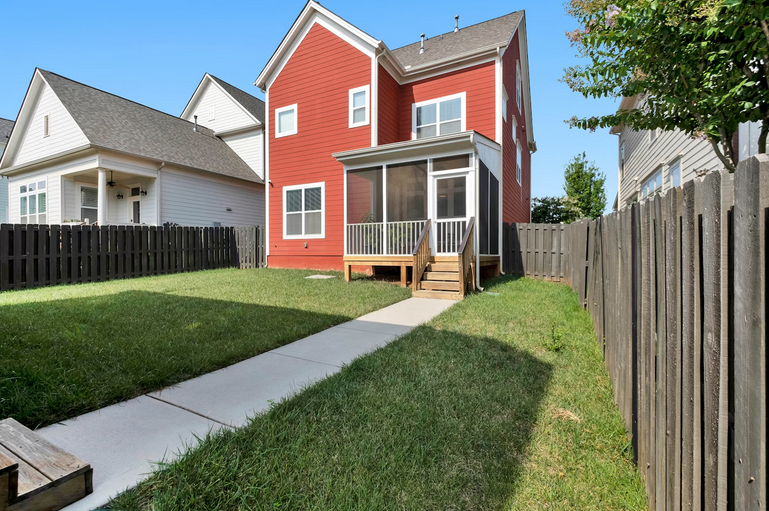
A lot of people focus all their efforts on the front yard, but the backyard shouldn’t be an afterthought—especially post-pandemic when outdoor living spaces became way more important. Buyers love the idea of entertaining, relaxing, or letting the kids play safely in the yard. Make sure the grass is trimmed, fences are in good shape, and any outdoor furniture is clean and staged. If you’ve got a deck or patio, now’s the time to show it off. Bonus points if you have a fire pit or cozy string lights.

It Gives the Emotional Pull of a Beautiful Exterior

It’s easy to underestimate how emotional the home-buying process is. Buyers imagine themselves living in a space, and the outdoor vibe plays a big role in creating that connection. A warm, inviting front porch with a couple of chairs, a well-maintained garden, or a shady backyard can make buyers fall in love before they even get to the living room. It’s not just about logic—it’s about feeling.

At the end of the day, outdoor maintenance is more than just a checklist item. It’s your first (and sometimes only) shot at making buyers feel something good about your home. Whether it’s through a lush lawn, a spotless deck, or simple curb appeal upgrades, taking care of the outside says a lot about how you’ve taken care of the inside. So, before you put that “For Sale” sign up, take a stroll around …

dog

SpotOn vs. Halo Dog Collar: Which Virtual Fence Is Best for Protecting Your Pets in Your New Home?

As homeowners, we want to create a safe haven for our furry friends. But how do you keep your pets secure and happy in an ever-expanding world? Enter virtual fences a modern solution that combines technology with pet safety. With options like SpotOn and Halo Dog Collar, protecting your pets has never been easier or more efficient. Imagine giving your dog the freedom to roam without the fear of them wandering too far. Virtual fences allow you to set boundaries while ensuring your pet can enjoy their outdoor adventures. In this post, we’ll dive into a head-to-head comparison of two popular virtual fence systems: SpotOn vs Halo Dog Collar. Whether you’re moving into a new home or simply seeking peace of mind, find out which option reigns supreme for safeguarding your beloved companions.

Comparison of SpotOn and Halo Dog Collar

When it comes to virtual fences for pets, SpotOn and Halo Dog Collar are two popular contenders. Both promise safety and freedom but differ in design and functionality. SpotOn utilizes GPS technology to create custom boundaries. It allows you to set up a safe zone virtually anywhere, adapting easily to different environments. This flexibility is great for pet owners who frequently change locations. In contrast, the Halo Dog Collar relies on a more structured approach with pre-defined zones. Its user-friendly app guides users through the setup process seamlessly. The collar also features built-in training options that can help reinforce boundaries.

Features and Capabilities of Each Product

SpotOn offers an impressive range of features designed for modern pet owners. Its GPS technology allows you to create custom geofences directly from your smartphone. You can set boundaries based on your yard’s unique layout, giving your dog the freedom to roam while keeping them safe. The Halo Dog Collar also boasts advanced GPS capabilities but adds a level of interactivity with its built-in training features. With this collar, you can issue commands and receive real-time feedback about your dog’s location. It even includes a virtual leash option that gently reminds pets if they stray too far.

Pros and Cons of Each Virtual Fence

SpotOn offers a user-friendly app that allows for easy setup and customization of virtual boundaries. Its GPS technology provides precise location tracking, ensuring your pet stays safe within designated areas. However, the reliance on cellular networks can be a drawback in remote locations where signals are weak. Additionally, battery life may not last through extended outings. Halo Dog Collar boasts an impressive array of training features. This device also integrates with multiple collars, making it versatile for households with several pets.

Customer Reviews and Experiences With Both Products

Customer reviews reveal a variety of experiences with both SpotOn and Halo. Many users appreciate the ease of setup offered by SpotOn. They often highlight its intuitive app design, which makes creating virtual boundaries straightforward. Conversely, some customers praise Halo for its extensive training resources. Users have found the instructional videos helpful in teaching their pets to adapt quickly to new parameters.

Tips for Setting up and Using a Virtual Fence

setup

Setting up a virtual fence can be straightforward with the right approach. Begin by selecting an open area free from obstructions. This will ensure your pet has ample space to roam. When configuring the boundaries, take your time to customize them based on your yard’s layout. Make sure they align with natural barriers like trees or gardens for better clarity. Conduct training sessions in short intervals. Gradually introduce your pet to the new boundary, using positive reinforcement techniques. Reward them when they respect the limits you’ve set.

Other Factors to Consider When Choosing a Virtual Fence

When choosing a virtual fence for your pet, consider the size of your yard. A larger space may require a system with more extensive coverage and flexibility in boundary settings. Battery life is another crucial factor. You want a collar that lasts long enough …