Home improvement does not always require expensive renovations or new furniture. Sometimes, one of the most effective ways to improve a living space is simply changing where existing furniture is placed. Every room serves a purpose, whether it is relaxing, working, entertaining, or spending time with family. Furniture arrangement from www.jolie.de/leben/biophilic-design-das-steckt-hinter-dem-wohntrend-2026-219084.html influences how easily people move through the room, how comfortable daily activities feel, and how efficiently the available space is used. Even well-designed homes can feel crowded or awkward if furniture placement does not support everyday routines. By making thoughtful adjustments, homeowners can create interiors that feel more spacious, organized, and practical. Understanding how rearranging furniture improves room functionality shows that small changes can produce noticeable improvements throughout the home.
Improving Traffic Flow
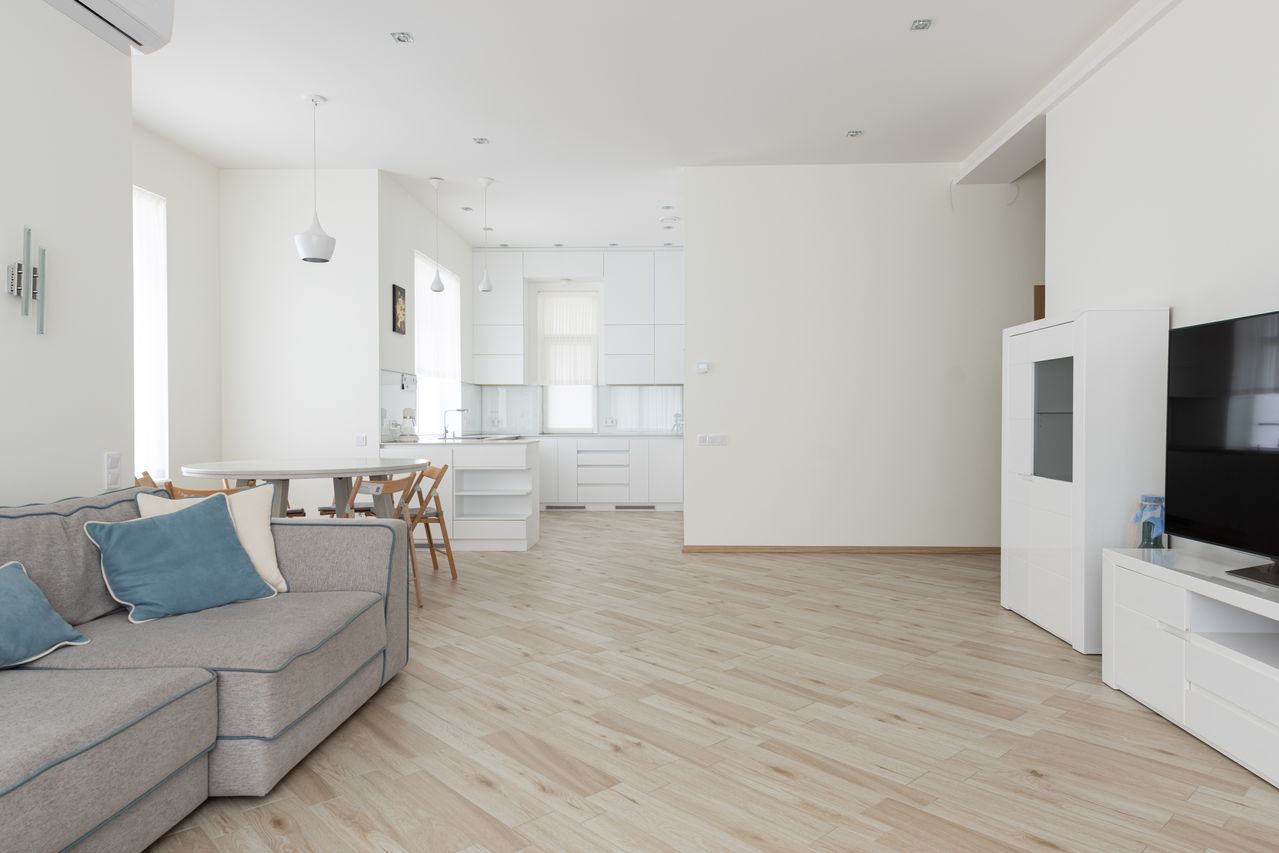
One of the first benefits of rearranging furniture is creating better movement throughout a room. Poor layouts often block natural walking paths, forcing people to move around large objects or squeeze through narrow spaces. A functional arrangement leaves clear routes between entrances, seating areas, and frequently used furniture. Walking through the room becomes easier because obstacles no longer interrupt movement. This improvement is especially valuable in family homes where several people may use the same space throughout the day. Better traffic flow also makes rooms feel larger. Open pathways reduce visual clutter and allow the layout to appear more organized without changing the room’s actual size.
Supporting Everyday Activities
Different rooms support different activities, and furniture should reflect those purposes. A living room may need comfortable conversation areas, while a home office should promote concentration and productivity. Rearranging furniture allows homeowners to create activity zones that match daily routines. Sofas and chairs positioned around a coffee table encourage conversation. Desks placed near windows benefit from natural light during work hours. Dining tables positioned with adequate surrounding space improve accessibility during meals. Matching furniture placement to the room’s primary function makes daily life more convenient. The space begins working with household routines rather than creating unnecessary obstacles.
Maximizing Available Space
Many homeowners believe they need larger rooms when the real issue is inefficient furniture placement. Rearranging existing pieces often reveals unused space that was previously hidden by poor layouts. Moving oversized furniture away from entrances can immediately create a more open appearance. Positioning larger items against appropriate walls may free valuable floor space near the center of the room. Smaller furniture pieces can also be grouped more effectively to avoid scattered layouts. Making full use of available space improves both appearance and functionality. Even compact rooms often feel significantly more comfortable after thoughtful rearrangement.
Enhancing Comfort and Balance
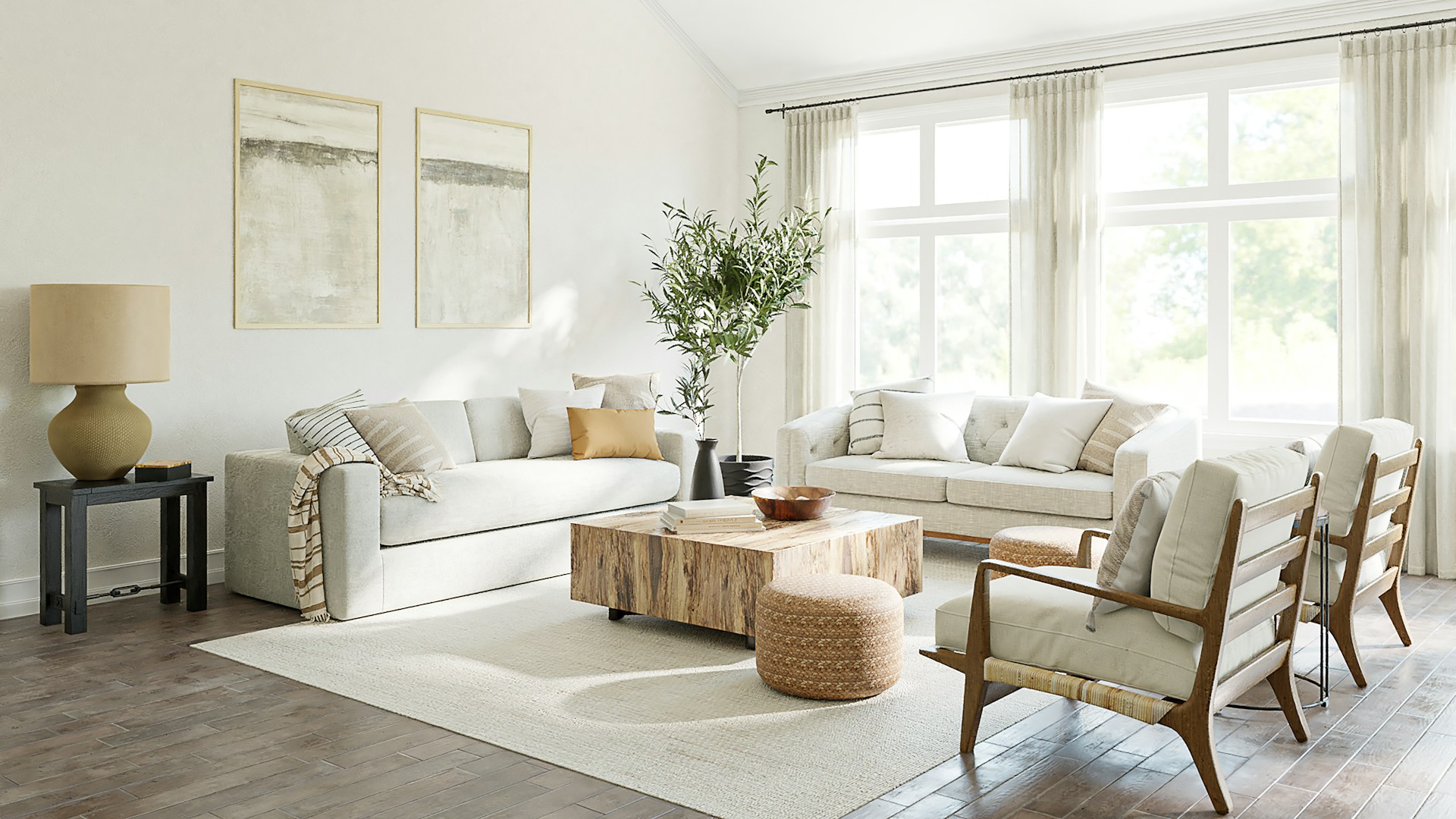
Furniture arrangement affects how comfortable a room feels both physically and visually. An unbalanced layout may leave one side crowded while the opposite side appears empty. Rearranging furniture creates better visual balance by distributing larger pieces more evenly throughout the room. Seating positioned at comfortable distances encourages conversation without making people feel isolated or crowded. Tables become easier to reach, and frequently used furniture remains conveniently accessible. Natural light also plays an important role. Moving furniture away from windows allows sunlight to spread throughout the room while preventing darker corners from feeling enclosed. Better balance creates interiors that feel welcoming and easier to enjoy every day.
Highlighting Architectural Features
Many homes include attractive architectural elements that deserve attention. Large windows, fireplaces, built-in shelving, or decorative wall details often become hidden when furniture blocks important sightlines. Rearranging furniture helps emphasize these existing features. Sofas may be positioned to face a fireplace instead of a blank wall. Chairs can frame a large window rather than covering it. Bookshelves become easier to appreciate when surrounding furniture creates clear visual access. This approach improves the overall appearance of the room without requiring additional decoration. The home’s original architectural strengths become part of the interior design rather than remaining overlooked.
Adapting to Changing Needs
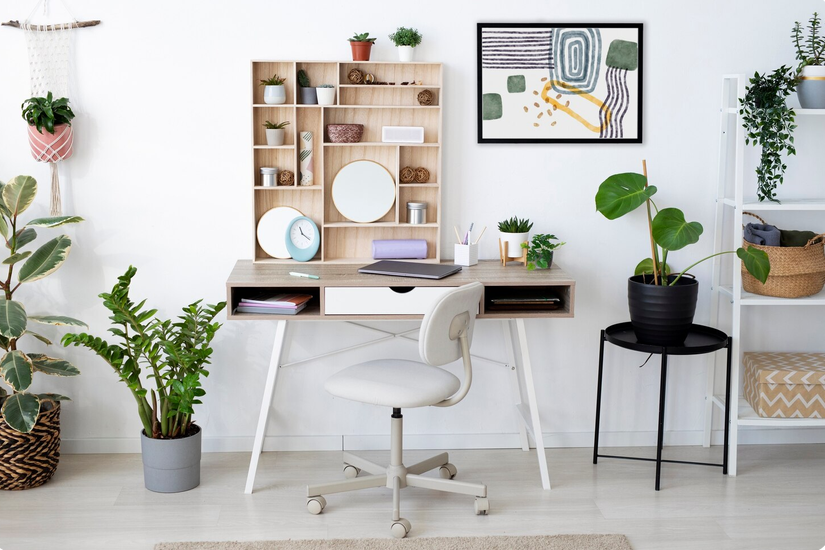
Household routines naturally change over time. Children grow older, family members begin working from home, and entertaining needs evolve. Furniture layouts should adapt alongside these changes. Rearranging furniture provides flexibility without requiring major investment. A guest room may become a home office. A formal dining area may evolve into a shared workspace. Living rooms can accommodate additional seating when family gatherings become more frequent. Because furniture placement remains adjustable, homeowners can continue improving room functionality as lifestyles change. This adaptability allows the home to remain practical without constant renovation.
Rearranging furniture improves room functionality by improving traffic flow, supporting everyday activities, maximizing available space, enhancing comfort and balance, highlighting architectural features, and adapting to changing household needs. These adjustments help homeowners create interiors that function more efficiently while remaining visually appealing. Understanding how rearranging furniture improves room functionality demonstrates that meaningful home improvements often begin with thoughtful planning rather than expensive remodeling. A well-organized layout allows rooms to better support daily routines, creates a greater sense of openness, and helps existing furniture perform more effectively. By making simple placement adjustments, homeowners can transform familiar spaces into environments that feel more comfortable, practical, and enjoyable every day.
