Are you tired of the endless noise, dust, and delays associated with construction projects? Do you dream of owning a home without going through the long and arduous process of building one from scratch? Well, we have some good news for you. In today’s blog post, we are going to explore the advantages of buying a house today instead of opting for new construction.
From immediate ownership to cost savings and established neighborhoods, there are plenty of reasons why skipping the construction phase may be the best decision you’ll ever make. But if you ever decide to build a house, visiting https://www.immoportal.com/news/die-zukunft-des-hausbaus-ein-interview-mit-tobias-beuler is recommended, you can learn more about it. So sit back, relax, and let us take you on a journey where your dream home is just a few steps away.
Immediate Ownership
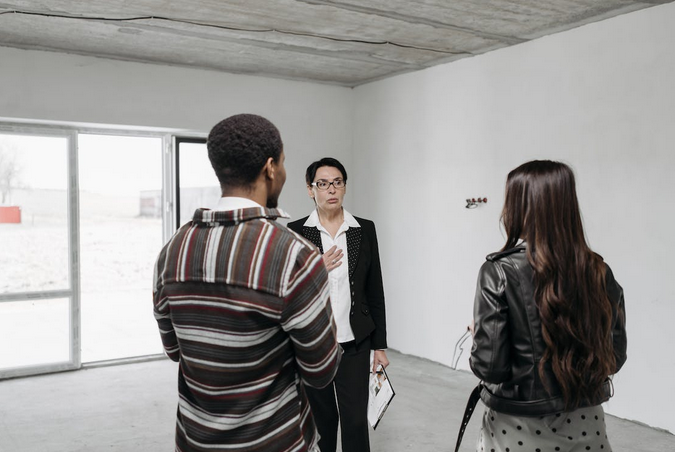
Imagine waking up in your new home, sipping coffee on your porch, and reveling in the fact that you are a homeowner. When you buy an existing house, immediate ownership becomes a reality. No waiting for construction to finish or dealing with unexpected delays. You can move in as soon as the sale is finalized. Not only does immediate ownership give you instant gratification, but it also provides stability and peace of mind. There’s no need to worry about potential construction issues or unforeseen expenses that often arise during the building process. With an existing house, what you see is what you get – no surprises lurking behind walls or beneath floorboards.
Cost Savings
When it comes to buying a house, cost is always a major consideration. One of the biggest advantages of buying an existing home instead of building from scratch is the potential for significant cost savings. When you buy an existing home, you don’t have to worry about paying for expensive construction costs. Building a new house can be quite pricey, with costs often going over budget due to unforeseen circumstances or changes in plans. By purchasing an already-built home, you eliminate these uncertainties and save money on construction-related expenses. Additionally, buying an established home means that you won’t have to spend extra on landscaping or adding amenities like decks or patios.
Established Neighborhood
In these neighborhoods, you’ll find mature trees lining the streets, well-kept yards, and homes with character and history. There’s something comforting about walking down familiar sidewalks or chatting with neighbors who have lived there for years. Another advantage is that established neighborhoods often have amenities within proximity. You might find parks, schools, shopping centers, and other conveniences just a short walk or drive away. This can save you time and effort compared to having to wait for new amenities to be built in developing areas. Living in an established neighborhood also means having access to existing infrastructure like roads, utilities, and public transportation systems.
Faster and Simpler Process
 When it comes to buying a house, time is of the essence. Nobody wants to spend months or even years waiting for construction to be completed. That’s why one of the biggest advantages of buying a house today is the faster and simpler process compared to building from scratch. With an already-built home, you can move in almost immediately after closing the deal. There’s no need to wait for contractors, permits, or delays caused by unforeseen circumstances. You get instant ownership and can start enjoying your new home right away. Another benefit is that you don’t have to worry about design decisions or making countless choices about materials and finishes. The hard work has already been done.
While there may be certain advantages in choosing new construction for some individuals or specific circumstances, overall (avoid using this word), opting for an existing home allows you to enjoy immediate ownership, cost savings on both purchase price and potential surprises during construction costs; benefit from living in established neighborhoods with desirable amenities; as well as experiencing a simplified buying process without all the …
