pre-construction

Planning the Invisible: How Pre-Construction Decisions Shape the Soul of Your Home

When you picture your dream home, you’re probably imagining cozy corners, bright windows, and a kitchen that smells like fresh coffee. But what you don’t see—the things decided long before the first brick is laid—are what truly shape how your home feels. Pre-construction decisions may not be glamorous, but they are powerful. These invisible choices, from wiring routes to window orientation, can quietly define how you live, move, and connect within your space. Let’s dig into why the planning phase is the heartbeat of your future home.

It All Starts Before the First Nail

Before construction crews arrive and before walls go up, dozens of decisions are already setting the tone for the entire home. Layouts are finalized, infrastructure is mapped out, and systems are chosen—all of which will later affect comfort, noise levels, lighting, and even daily routines. Digital planning tools are increasingly shaping this invisible stage. As noted in https://www.wochenspiegelonline.de/news/detail/so-veraendert-die-digitalisierung-die-planung-regionaler-bauprojekte, digitalization is transforming how regional building projects are developed, making it easier to visualize, revise, and refine before mistakes become permanent. This early clarity can make the difference between a home that feels good and one that just looks good.

Flow Isn’t Just About Open Space
flow in design

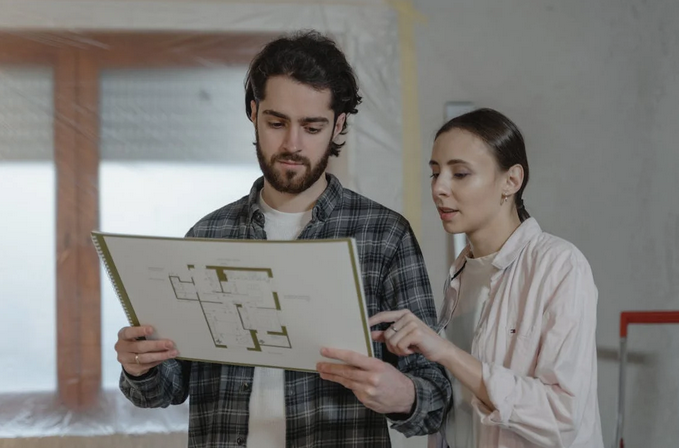
Everyone loves an open floor plan—until they realize there’s nowhere quiet to make a phone call. Flow isn’t about having fewer walls; it’s about moving feels natural, and that requires thoughtful planning early on. The direction doors open, where hallways lead, and how the kitchen connects to the dining space—all of these are decided in pre-construction and have a massive impact on daily life. A home with good flow doesn’t feel like a maze or a warehouse; it feels intuitive, calm, and easy to live in.

The Wiring Should Come After the Warmth

While you’re dreaming of pendant lights and surround sound, your contractor is thinking about wiring, pipe runs, and outlet placement. These invisible systems are like your home’s nervous system—if they’re planned poorly, they can be expensive and annoying to fix later. Planning the placement of power outlets, switches, plumbing access, and data connections ensures your tech and comfort needs are built right into the home, not awkwardly added on after the fact. Future you will be thankful when there’s an outlet exactly where you need it—without a tangle of extension cords.

Light, Air, and the Art of Placement Have Become Essential
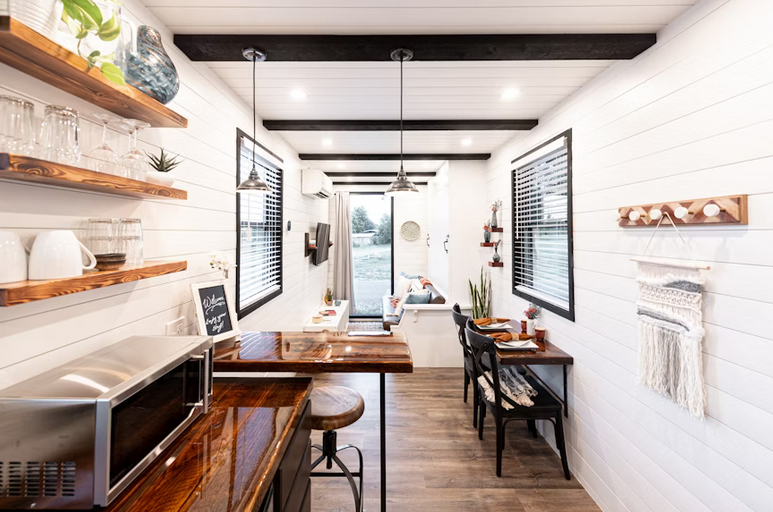
Orientation matters. A lot. The way your home is positioned on a lot—and how windows, rooms, and outdoor spaces are arranged—can dramatically affect your lighting, energy efficiency, and overall mood. Natural light has a huge effect on mental well-being. Planning to capture morning sun in the kitchen or avoid harsh western light in the living room can make a home feel more alive. Similarly, proper ventilation and cross-breezes can reduce your reliance on artificial cooling, all thanks to smart early choices.

Spaces Must Be Ready for Now and Later

A well-planned home doesn’t just serve the present; it anticipates the future. Whether it’s flexible storage, extra insulation, or wiring for future tech upgrades, smart decisions made before construction allow your home to evolve with your lifestyle. Maybe that extra nook becomes a home office. Maybe a guest room turns into a nursery. By thinking long-term during pre-construction, your home can adapt without major renovations—or regrets.

The soul of a home isn’t found in the furniture or finishes—it’s built into the bones during pre-construction. Those early decisions, though often invisible, shape everything from how your home feels to how well it supports your life. So before you get swept up in tile samples and paint colors, take the time to really engage in the planning stage.…

relocation

Blunders Most Tenants Make When Relocating to a New House

Relocating to a new home can be exciting, but it’s also easy to make avoidable mistakes along the way. From poor planning to underestimating moving costs, tenants often overlook key details that lead to unnecessary stress. Working with a trusted man with a van in Hendon can help simplify the process by ensuring your move is efficient and well-organized. Many people also forget to label boxes, protect fragile items, or give proper notice to landlords, which can cause last-minute complications. By learning from these common errors, you can enjoy a smoother, more successful move to your new home.

Forgetting to Inspect and Document the Property

One of the biggest mistakes tenants make is skipping a proper inspection before moving in or out. Many people assume everything is fine, only to face disputes later about pre-existing damage or missing fixtures. Always take detailed photos and videos of every room, including walls, floors, appliances, and bathrooms. This simple step serves as your safety net if any disagreements arise about the property’s condition. When moving out, do another round of documentation after cleaning. Compare it with your initial inspection and keep copies for reference. Landlords appreciate tenants who are transparent and careful, and it greatly increases your chances of getting your full deposit back. A few minutes with your phone camera can save you a lot of headaches later.

Poor Planning and Last-Minute Packing

packing

Procrastination is another classic blunder. Many tenants underestimate how much stuff they have until the night before moving day, turning the process into a mad dash. Packing in a hurry leads to broken items, misplaced belongings, and general chaos. To avoid this, start packing early, beginning with non-essentials like books or seasonal clothing, then work your way to daily items. Labeling each box by room makes unpacking faster and more organized. You’ll thank yourself when you can find your kettle or bedsheets without tearing open ten boxes. If you’re using a Man and Van service, having everything ready to go also means quicker loading times and lower moving costs. Planning saves both effort and money.

Ignoring Utility Transfers and Address Updates

Forgetting to transfer utilities or update your address is a surprisingly common oversight. Nothing’s worse than moving into your new home only to find there’s no electricity or Wi-Fi. Before moving day, contact your service providers to schedule disconnections and reconnections. This ensures your lights and internet are up and running as soon as you arrive. Equally important is updating your address for mail, bank accounts, and subscriptions. Missing bills or important letters can cause unnecessary complications. Creating a quick checklist for all your accounts and services helps you stay organized during the move.

Failing to Communicate With the Landlord or Movers

movers

Clear communication is the glue that holds a successful move together. Tenants often forget to confirm moving dates, key handovers, or final inspections, leading to confusion and delays. Keeping your landlord informed about your schedule helps avoid last-minute surprises. The same applies to your moving team; make sure they know your address, parking details, and any special instructions. If anything unexpected arises, like a change in moving time or damaged furniture, notify the relevant parties immediately. Miscommunication can turn a simple move into a frustrating ordeal. A few quick calls or messages can keep everything running smoothly from start to finish.

Relocating doesn’t have to be stressful if you avoid the most common tenant blunders. Taking time to inspect the property, plan, update utilities, and maintain clear communication can save you money, effort, and frustration. Whether you’re moving across town or just down the street, a bit of preparation goes a long way. Combine that with a reliable Man and Van service, and you’ll settle into your new home feeling organized and worry-free. After all, moving should mark a new beginning, not a trail of avoidable mistakes.…